How to Choose the Right Air Conditioning System for Your Home
When homeowners contemplate cooling upgrades, intense summer heat is often the prompt that brings equipment replacement to mind. Waiting for severe heatwaves to address an aging cooling unit often leads to urgent decisions and uncomfortable afternoons indoors. Planning an equipment upgrade during cooler months provides a far more relaxed approach for any household. Moderate outdoor weather allows technicians to complete installations or retrofits without turning your living spaces into a sweltering environment. Taking advantage of this calm off-season window gives you ample time to evaluate cooling equipment and invest in reliable air conditioning for your property.
Choosing the right mechanical equipment requires balancing home layout, equipment designs, and seasonal energy efficiency standards. Because cooling demands remain dormant throughout autumn and winter, homeowners can make careful evaluations without feeling rushed by rising indoor temperatures. Taking a proactive path ensures that your household avoids the mid-summer rush when technicians experience high emergency call volumes. Thoughtful off-season preparation guarantees that your residence remains relaxing and ready the moment warmer weather returns across the region. Planning ahead keeps your household completely in control of the project schedule from start to finish.
Review Options and Designs
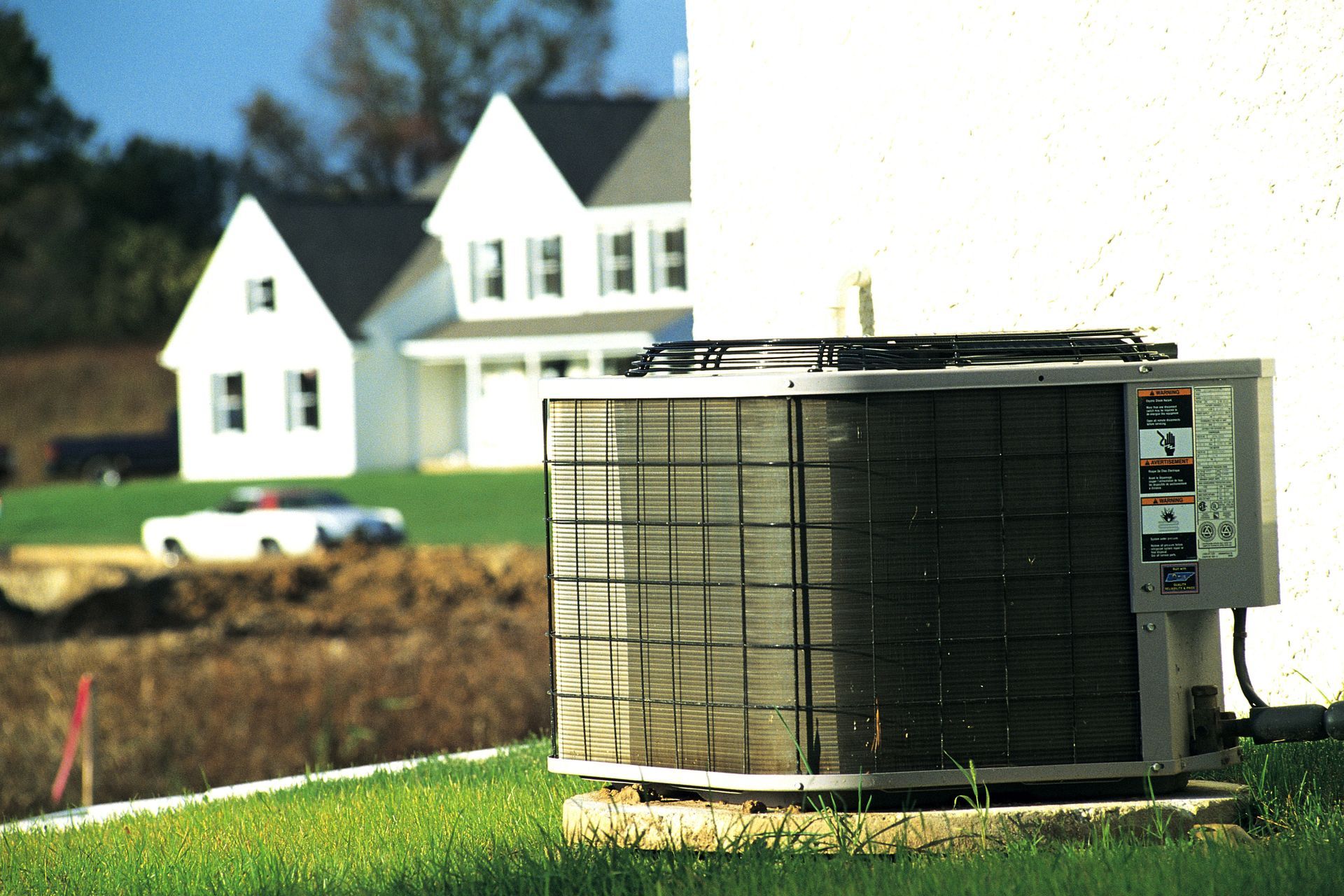
Cooling systems come in diverse configurations designed to accommodate different architectural styles, construction ages, and floor plans. According to the US Department of Energy, 88% of homes in the United States rely on air conditioning, and 66% use central systems to maintain consistent temperatures across large living areas. Central cooling systems operate through a network of concealed ducts, delivering even climate management across multiple rooms and stories. These ducted setups remain an exceptional choice for established properties with existing ductwork already installed within the walls, basement, or attic spaces.
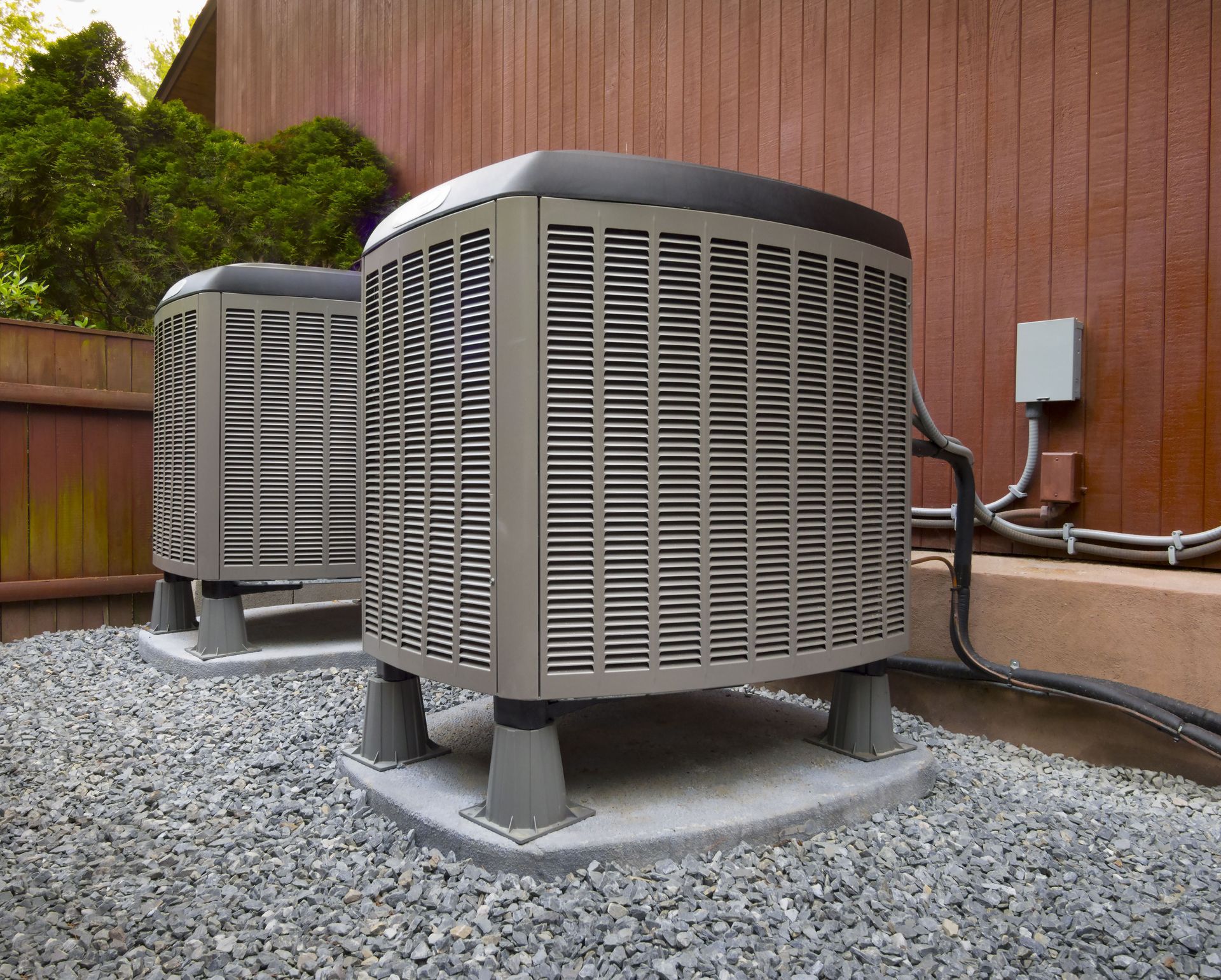
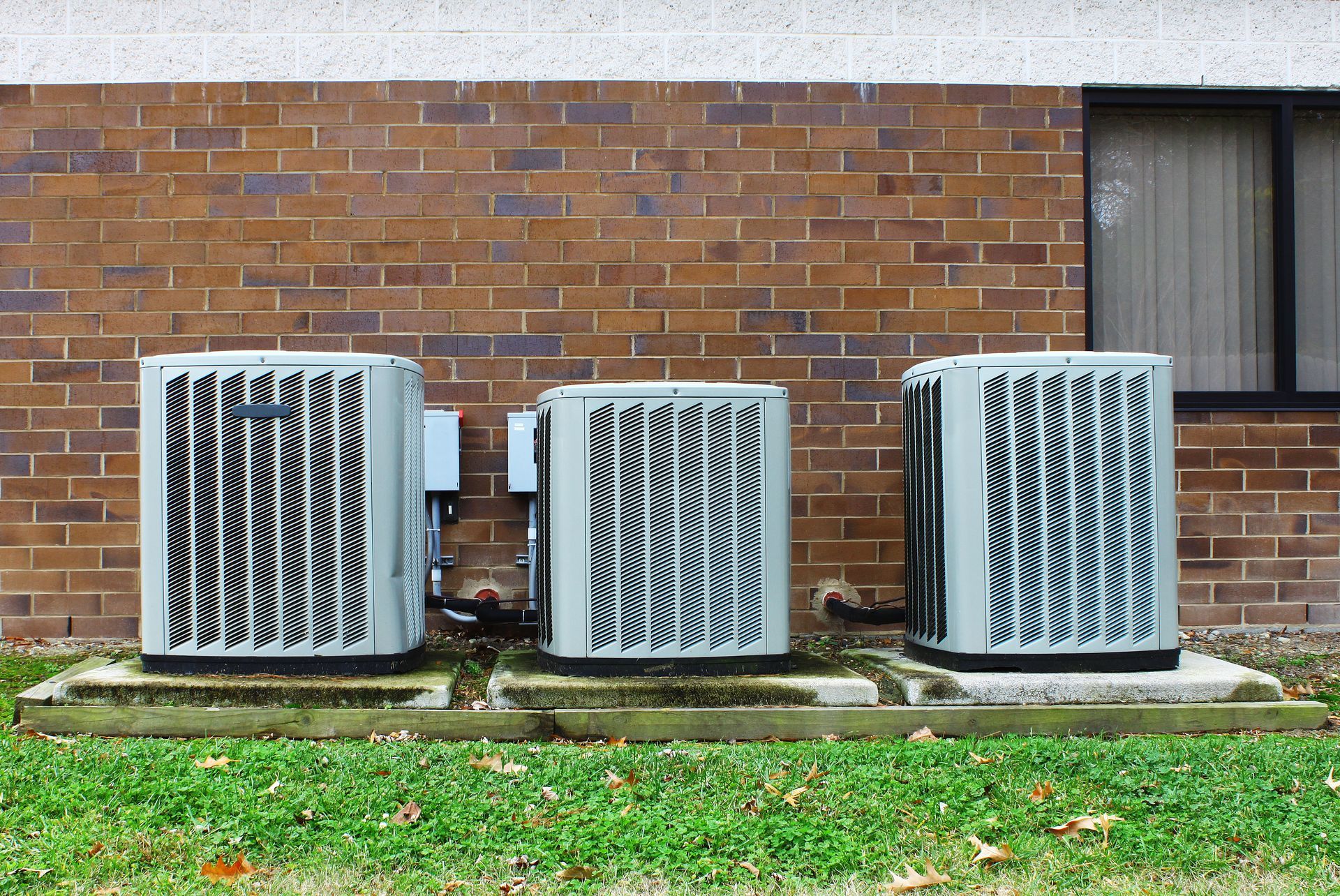
Homes without existing ductwork can turn to ductless mini-split systems for targeted and effective zoned comfort. These setups connect compact indoor air handlers directly to an exterior compressor unit, allowing homeowners to regulate separate zones independently. Heat pumps present another versatile alternative by delivering cooling during hot months while reversing operation to provide dependable heating during cold periods. Reviewing these various options during the cooler months lets homeowners explore which equipment format best aligns with their property layout. Taking time to inspect equipment formats ensures that your installation delivers balanced airflow across every living zone.
Assess Demands and Layouts
Determining the right capacity for your home requires assessing the total volume and physical characteristics of your residence. A system that lacks sufficient capacity will run continuously, causing unnecessary equipment wear while failing to cool the living space properly. Conversely, an oversized unit cycles on and off too rapidly, leaving excess moisture behind and creating uneven temperature pockets across different rooms. A proper sizing calculation ensures that your air conditioning operates smoothly while maintaining optimal indoor humidity levels.
Several physical building factors influence how much cooling capacity a home actually requires throughout the warmer months. Quality insulation in exterior walls, crawlspaces, and attics helps retain cooled air while preventing outdoor warmth from penetrating indoor living areas. Window placements, roof exposure, ceiling heights, and overall floor plans also determine heat gain throughout sunny days. Evaluating these architectural characteristics during the autumn or winter helps professionals choose equipment that maintains comfortable conditions through every season. Addressing drafty window seals or thinning insulation before final equipment placement further optimizes overall heating and cooling balance.
Examine Ratings and Standards
Efficiency ratings serve as a critical benchmark when evaluating new cooling equipment for your residence. The Seasonal Energy Efficiency Ratio measures how effectively a cooling unit converts electrical power into refreshing indoor cooling output. Higher efficiency standards indicate advanced engineering and reduced power consumption during prolonged hot spells. Choosing high-efficiency air conditioning during a planned winter upgrade helps minimize environmental impact and lowers household utility demands.
Modern cooling equipment also utilizes environmentally friendly refrigerants that comply with current environmental protection guidelines. These updated refrigerants deliver superior heat transfer capabilities without contributing to ozone depletion. Variable-speed compressors allow newer systems to modulate their cooling output gradually rather than operating strictly at full blast. This balanced operation produces quieter performance and steady temperatures while extending the operational lifespan of the compressor. Off-season upgrades allow homeowners to explore these technological enhancements and choose equipment engineered for lasting durability.
Prioritize Purifiers and Filters
Indoor air quality is closely tied to the overall performance of your home heating and cooling infrastructure. Modern households often trap airborne dust, pet dander, pollen, and volatile organic compounds inside closed living spaces. Incorporating a whole-house air purifier alongside a new cooling installation creates a healthier living environment across all seasons. These dedicated purifiers capture microscopic irritants before conditioned air circulates through bedrooms and common areas.
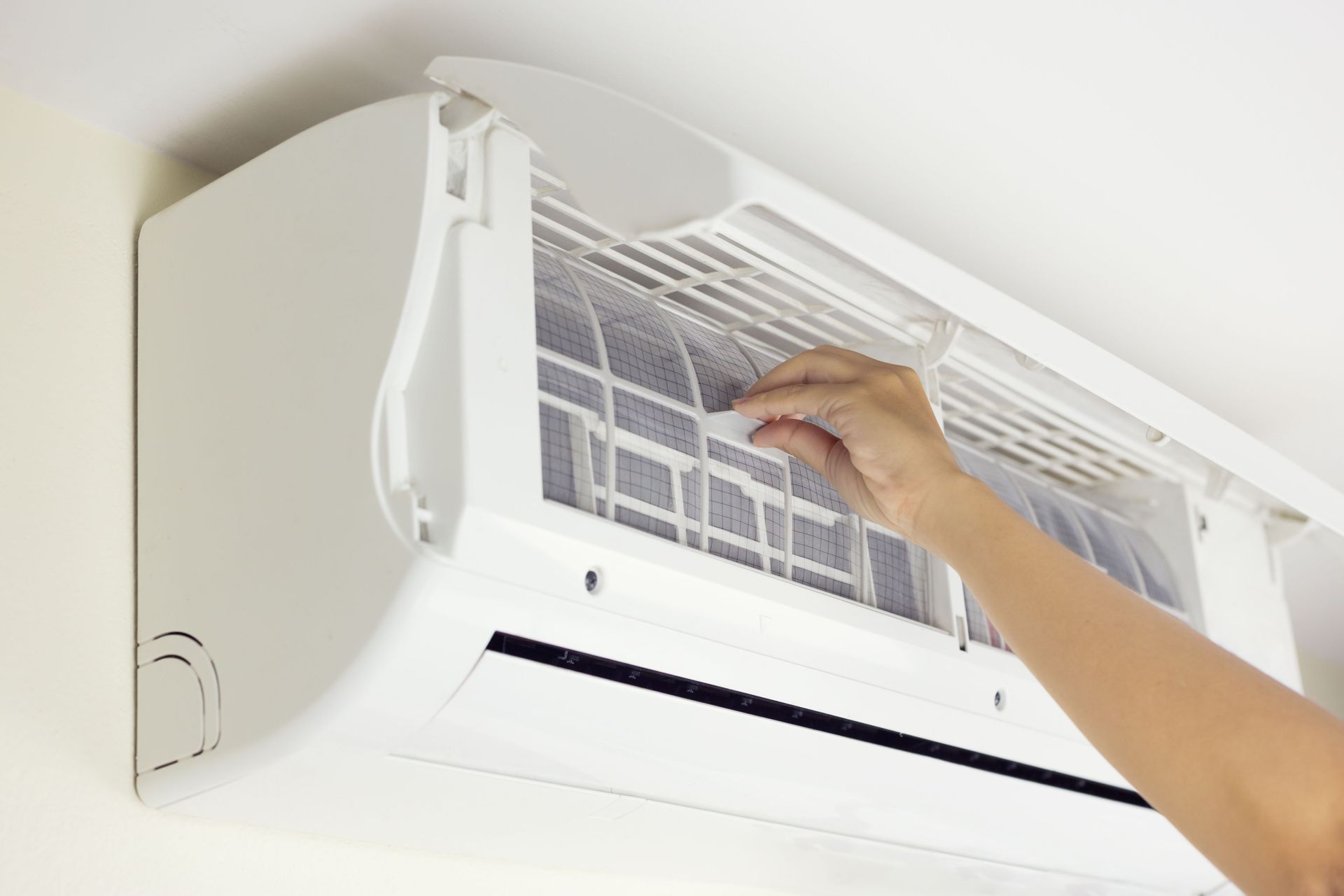
Cooler months provide the ideal opportunity to integrate air purification equipment without interrupting everyday comfort routines. Upgrading filtration media and purifying devices during the winter ensures your ductwork distributes clean, refreshing airflow when spring allergens arrive. Clean internal components also protect the evaporator coil from debris buildup, preserving airflow and system efficiency. Pairing high-grade filtration with modern air conditioning ensures that every room benefits from superior air purity and steady temperature balance.
Schedule Replacements and Inspections
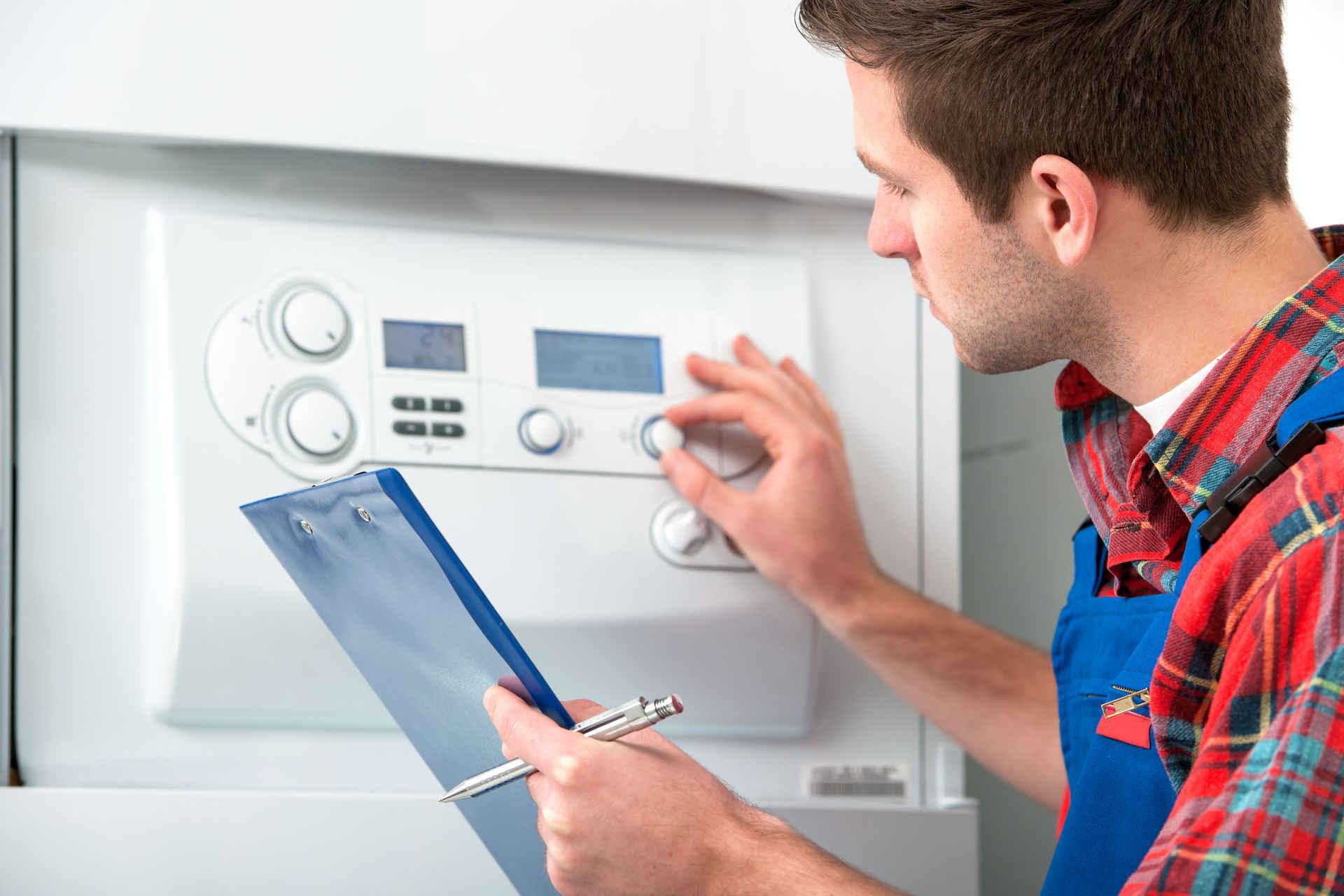
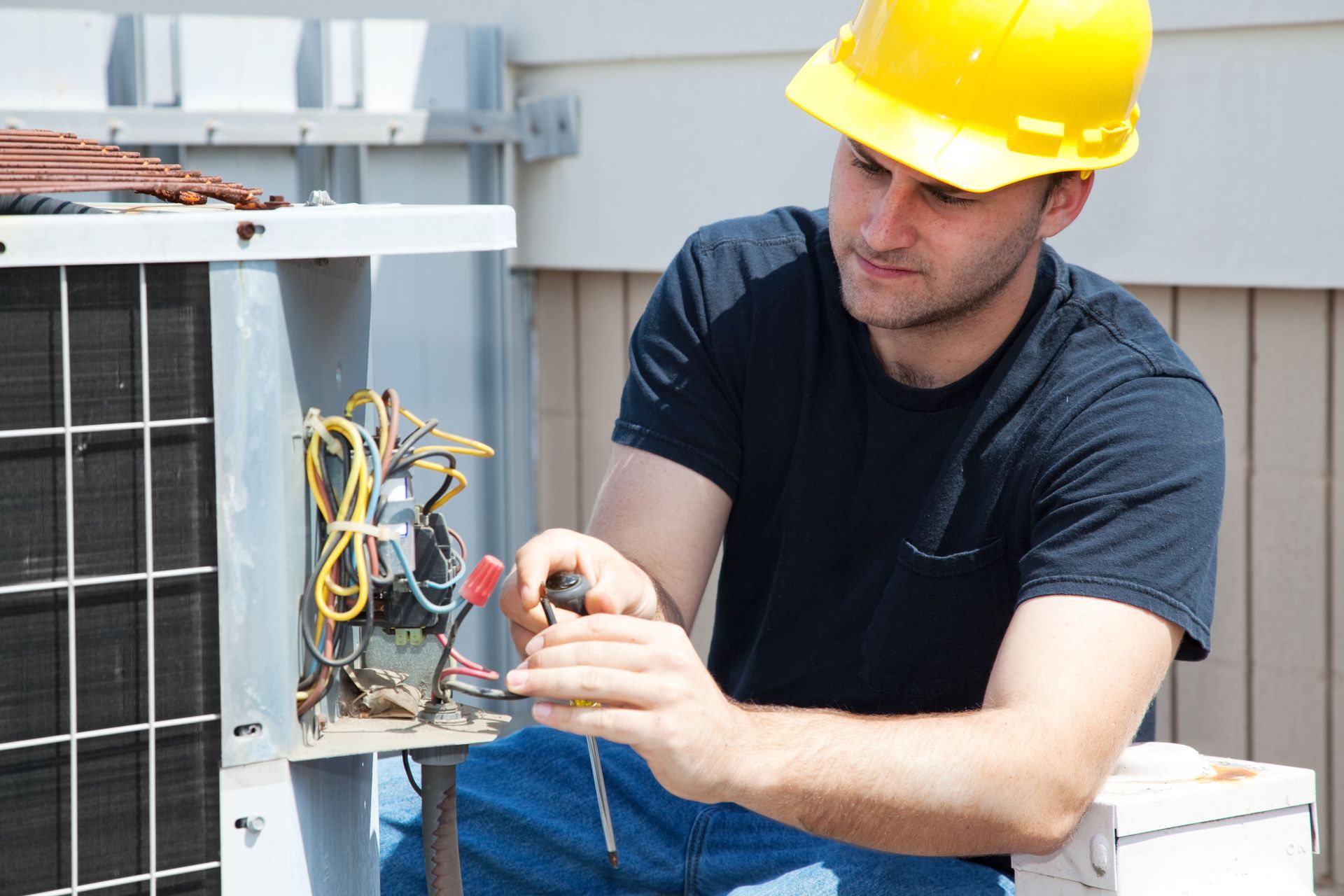
Upgrading mechanical equipment during off-peak periods offers tremendous scheduling flexibility for busy homeowners. Technicians experience fewer emergency breakdowns during cooler weather, allowing them to dedicate focused attention to complex installations. Crews can complete duct inspections, test electrical connections, and calibrate airflow settings without rushing between urgent service calls. Securing an installation date in the autumn or winter guarantees that your air conditioning stands ready for the very first heatwave.
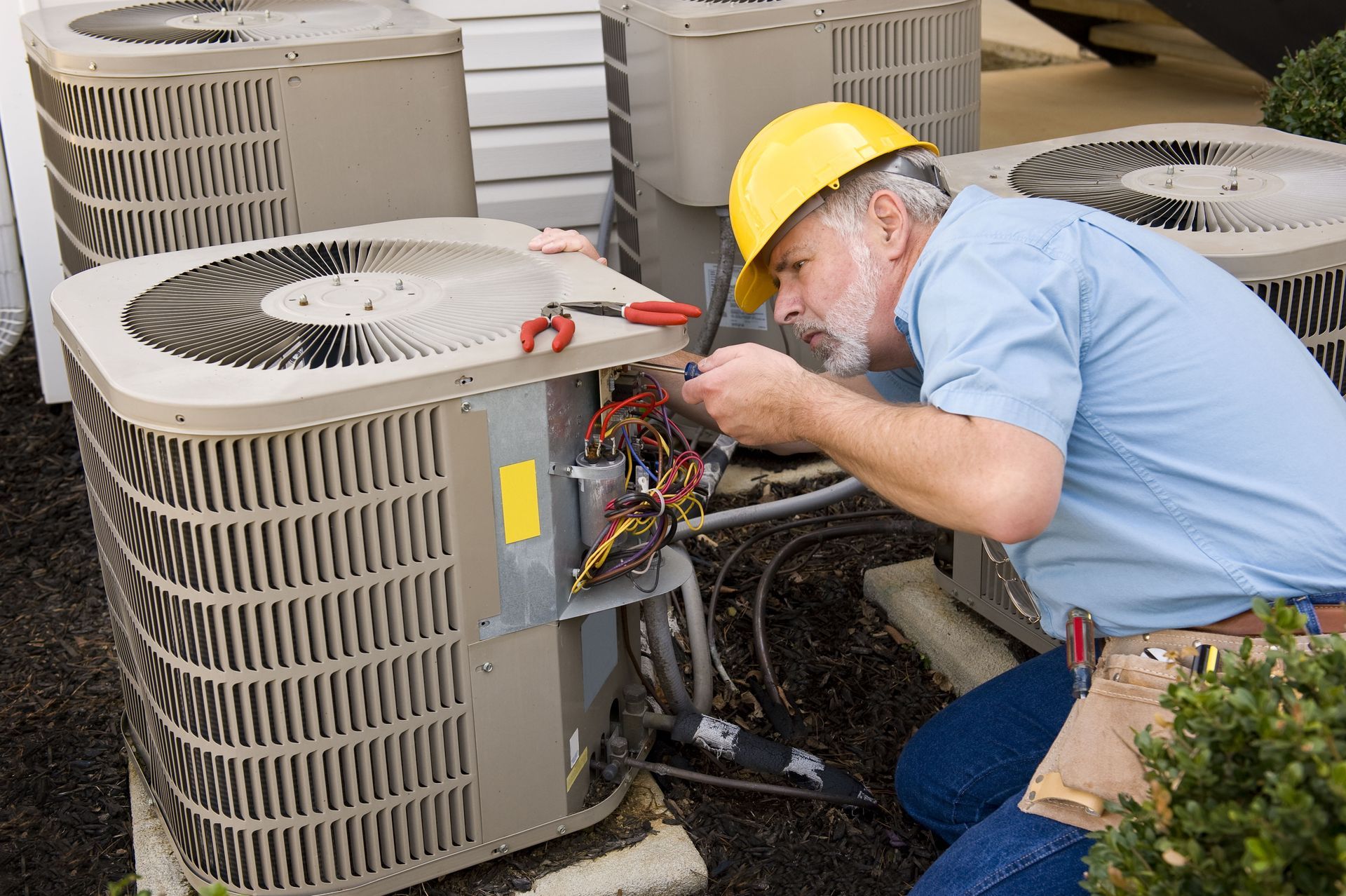
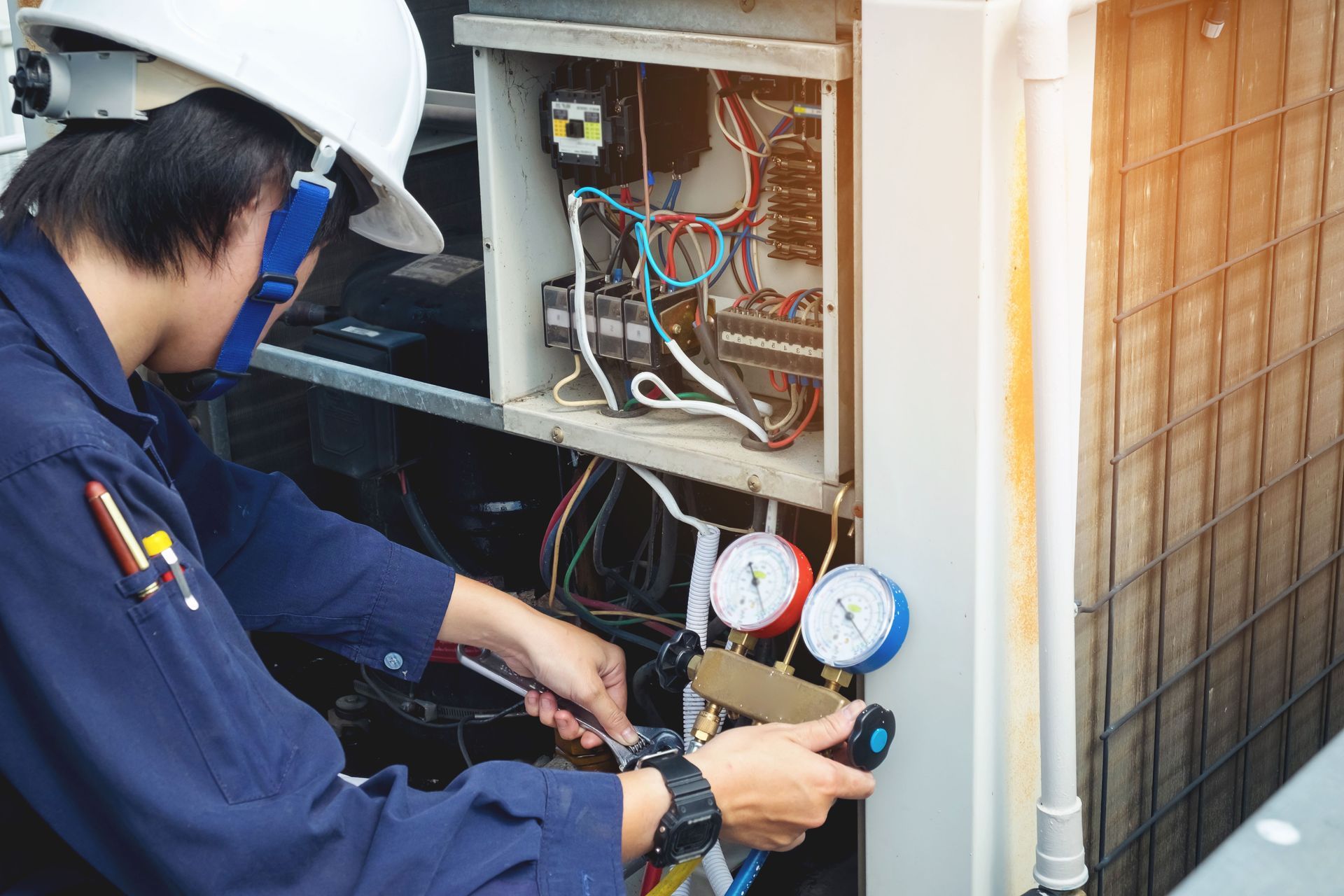
Routine preventative maintenance remains the cornerstone of long-term equipment reliability once installation concludes. Scheduled checkups allow trained technicians to clean coils, verify refrigerant pressures, and inspect moving parts before seasonal demands peak. Catching minor component wear during scheduled inspections prevents unexpected failures when outdoor temperatures climb. Establishing a regular maintenance routine keeps mechanical equipment running smoothly, efficiently, and quietly year after year.
Choose Manufacturers and Models
Choosing equipment from established, industry-leading manufacturers provides assurance of dependable performance and engineering quality. Leading manufacturers emphasize rigorous factory testing, quiet operation, and robust outdoor cabinets built to withstand harsh weather conditions. Homeowners who choose proven brands benefit from widespread replacement component availability and dedicated factory support networks. Taking time during the winter to compare equipment specifications helps you choose a dependable brand with confidence.
Comparing specific model specifications allows homeowners to prioritize features that directly enhance day-to-day comfort. Advanced models frequently incorporate insulated compressor compartments and swept-wing fan blades designed to minimize operating decibel levels. Evaluating these acoustic and mechanical enhancements during the off-season ensures your outdoor condenser runs quietly alongside outdoor patios or bedroom windows. Reviewing equipment tiers alongside qualified professionals helps you determine which model configuration delivers the ideal balance of performance, airflow control, and continuous quiet comfort.
Taking a proactive approach to cooling upgrades during cooler months eliminates the stress associated with unexpected summer breakdowns. Homeowners gain the advantage of unhurried equipment comparisons, flexible contractor schedules, and pleasant indoor conditions throughout the entire installation process. By evaluating system configurations, sizing requirements, energy efficiency ratings, and indoor air purification, you can establish an ideal home environment. Investing in quality air conditioning during the off-season ensures uninterrupted comfort, quiet performance, and complete peace of mind.
A well-planned cooling replacement protects your home comfort for many years while keeping living spaces refreshing and healthy. Our skilled technicians specialize in comprehensive system replacements, routine maintenance, and whole-house air purifier installations tailored to your household needs. We are ready to guide you through every stage of your upcoming upgrade, ensuring your home stays cool and comfortable season after season. Contact us at Fauquier Mechanical to schedule your consultation, and let our team prepare your home for dependable cooling comfort.

Share On: