
Common Air Conditioning Issues Solved by Local HVAC Service
Summer heat places substantial demands on residential cooling systems, making reliable temperature control essential for maintaining household comfort and indoor safety. When outdoor temperatures soar, air conditioners operate under sustained mechanical strain for hours at a time. According to Industry Research, nearly 54% of HVAC repair service calls are related to air conditioning systems. Understanding why these common malfunctions happen empowers homeowners to take timely corrective action before minor performance lapses evolve into costly component failures. Partnering with a skilled local HVAC service provider ensures your system receives the specialized diagnostic attention necessary to maintain optimal efficiency and dependable operation throughout the hottest months.
Diagnosing Inadequate Indoor Cooling
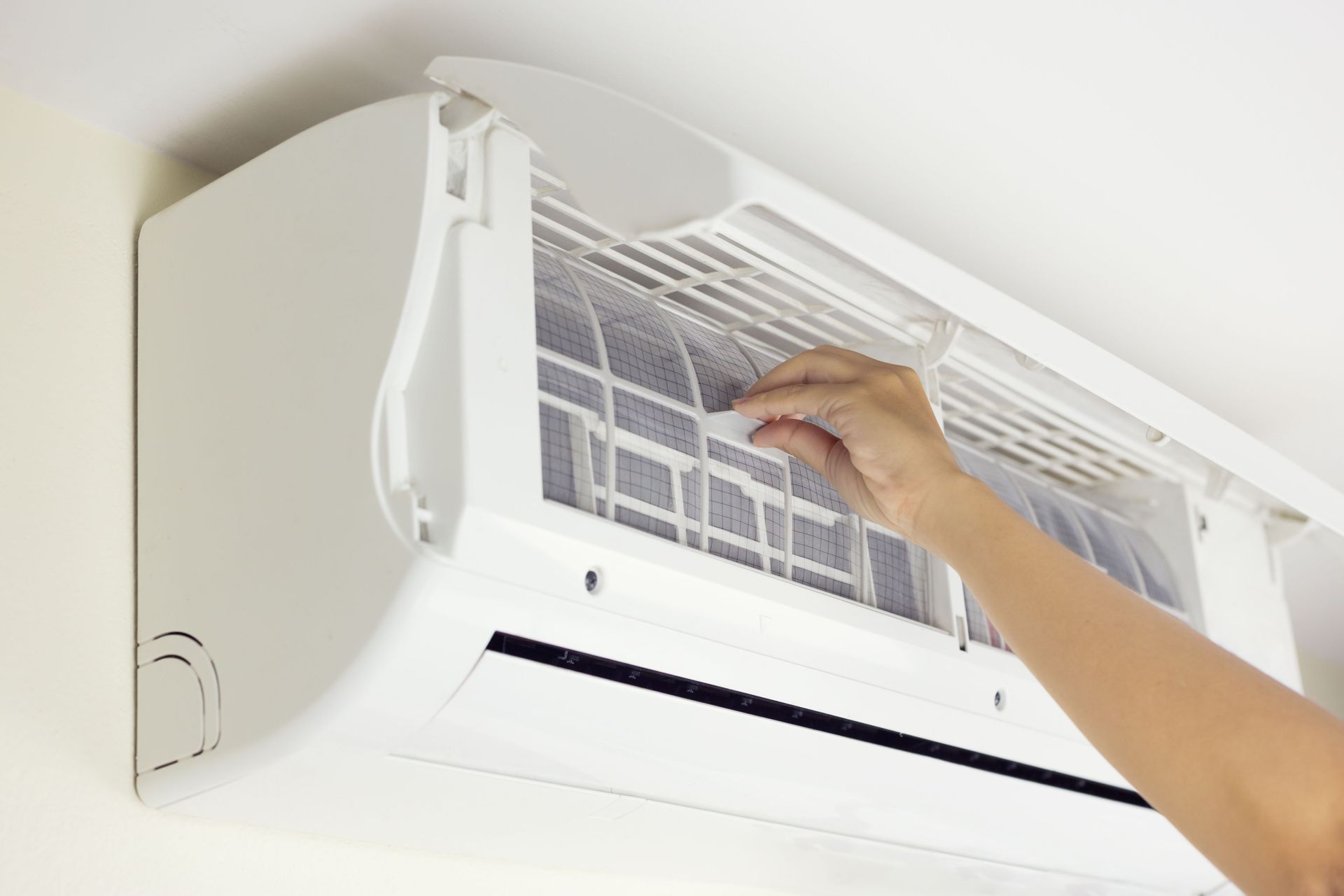
Few household occurrences are more frustrating than an air conditioner that runs continuously while blowing tepid air from the supply registers. Inadequate cooling often stems from neglected air filters that choke airflow across delicate heat-exchange surfaces. When dust coats the filter medium, the cooling coil cannot effectively absorb warmth from incoming air, which often triggers an icing condition that restricts cooling even further. Low refrigerant levels caused by microscopic line fractures also degrade cooling performance, as diminished chemical charge leaves the system incapable of fulfilling thermal demands. Furthermore, an improperly calibrated thermostat or an undersized cooling unit can fail to reach target temperatures. Scheduling dependable local HVAC service helps identify refrigerant leaks, restore proper charge, inspect blower components, and correct airflow obstructions before permanent damage affects the compressor.
Stopping Frequent System Cycling
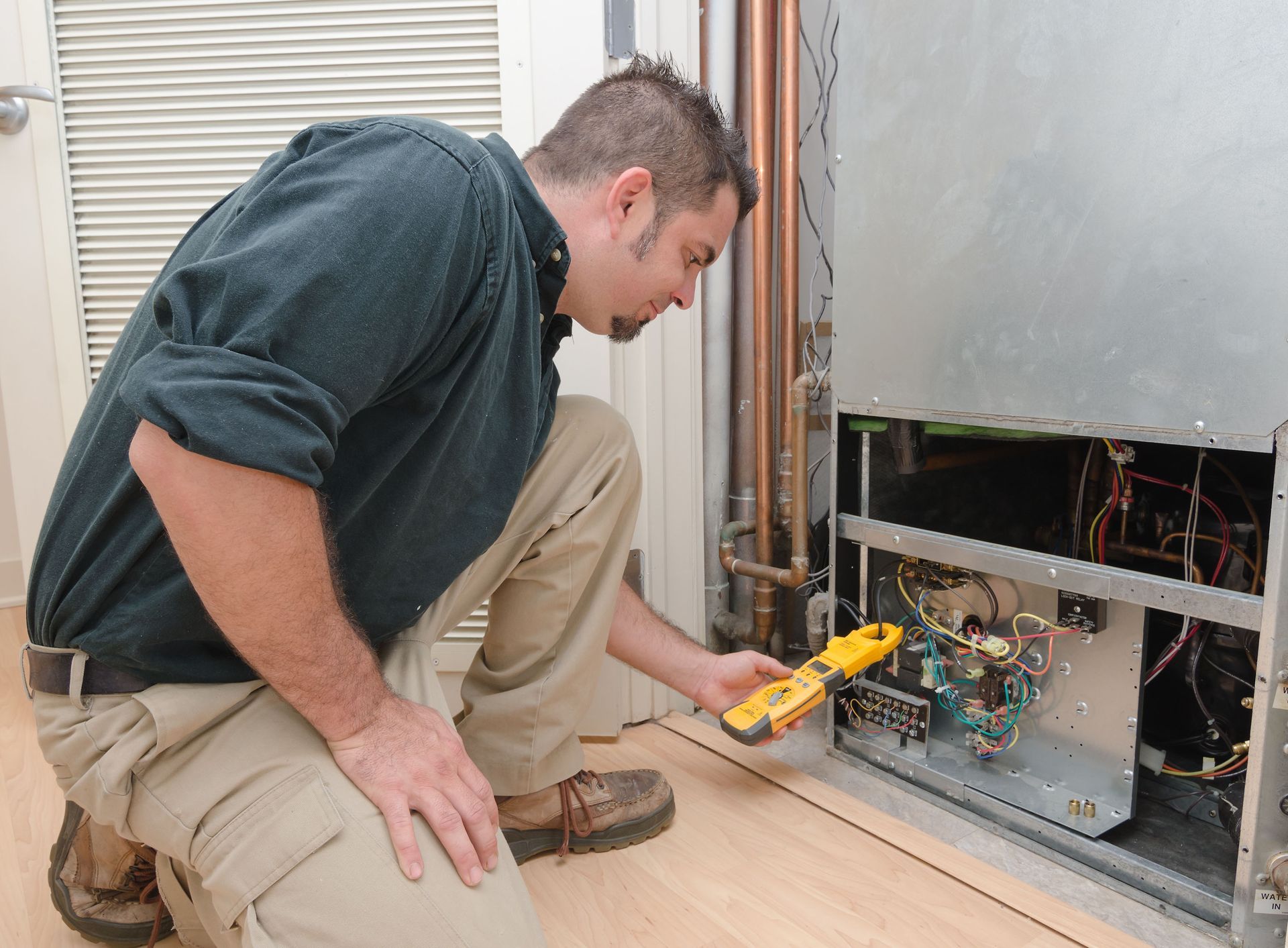
An air conditioner should complete balanced, predictable operational cycles that steadily lower indoor temperatures before quietly turning off. When equipment turns on and off abruptly every several minutes, it suffers from short cycling. This irregular behavior prevents effective humidity extraction, causes uncomfortable temperature swings, and places excessive electrical stress on the motor windings. Thermostat defects are frequently responsible for this phenomenon, especially when misplaced sensors detect rapid localized temperature changes. Dirty filters that choke ventilation and trigger thermal limit switches can also force the unit to shut down prematurely. Additionally, failing run capacitors or electrical control issues disrupt constant power delivery. Prompt local HVAC service enables certified technicians to test electrical components, clean restricted passages, and recalibrate controls to restore smooth operational cycles.
Fixing Damaging Water Leaks
Standing water pooling around the indoor air handler or dripping through ceiling drywall is a serious warning sign that demands immediate technical intervention. During standard operation, air conditioners extract substantial amounts of airborne moisture, directing condensation into an internal collection pan that empties through a dedicated drainage line. When this pathway becomes clogged by algae, fungal slime, or accumulated household dust, moisture backs up and overflows into the surrounding structure. Condensate pump malfunctions also result in sudden overflows when mechanical switches or internal float mechanisms fail to activate. Furthermore, melting ice from a frozen evaporator coil can easily produce more runoff than the standard pan can handle. Scheduling prompt local HVAC service clears biological blockages using pressurized flushing techniques and ensures drain lines remain properly pitched, secured, and free-flowing.
Silencing Strange Operational Noises
Modern air conditioning systems are designed to operate with a muted, steady hum that blends harmlessly into everyday household life. The sudden appearance of loud clattering, squealing, or grinding sounds signals mechanical friction or component looseness inside the equipment cabinet. Rattling or buzzing noises often point to loose hardware, detached paneling, or outdoor debris such as twigs and pebbles trapped inside the condenser fan cage. High-pitched squeals typically indicate dry bearings or slipping fan belts, while harsh metallic grinding warns of impending motor bearing seizure. Deep banging sounds from the compressor housing are especially concerning, as they suggest broken internal rods or loose internal valves. Arranging routine local HVAC service allows professionals to tighten fittings, lubricate motor bearings, and prevent sudden mechanical breakdowns.
Eliminating Persistent Foul Odors
Conditioned airflow should always smell clean, neutral, and fresh as it circulates through household vents. When activating the air conditioner releases unpleasant aromas, underlying contamination is compromising your indoor air quality. Musty, moldy odors—frequently dubbed dirty sock syndrome—develop when moisture lingers within dirty evaporator coils, humid duct interiors, or stagnant condensate drain pans, creating fertile conditions for bacterial and fungal growth. Burning smells reminiscent of hot plastic indicate compromised wiring insulation, overheating fan motors, or failing electronic circuit boards requiring immediate shutdown. Dead rodents or pests trapped within supply ducts can also create severe foul smells. Investing in comprehensive local HVAC service cleans internal coils, treats ductwork with sanitizing agents, and eliminates electrical hazards before health and comfort decline.
Reducing Escalating Energy Bills
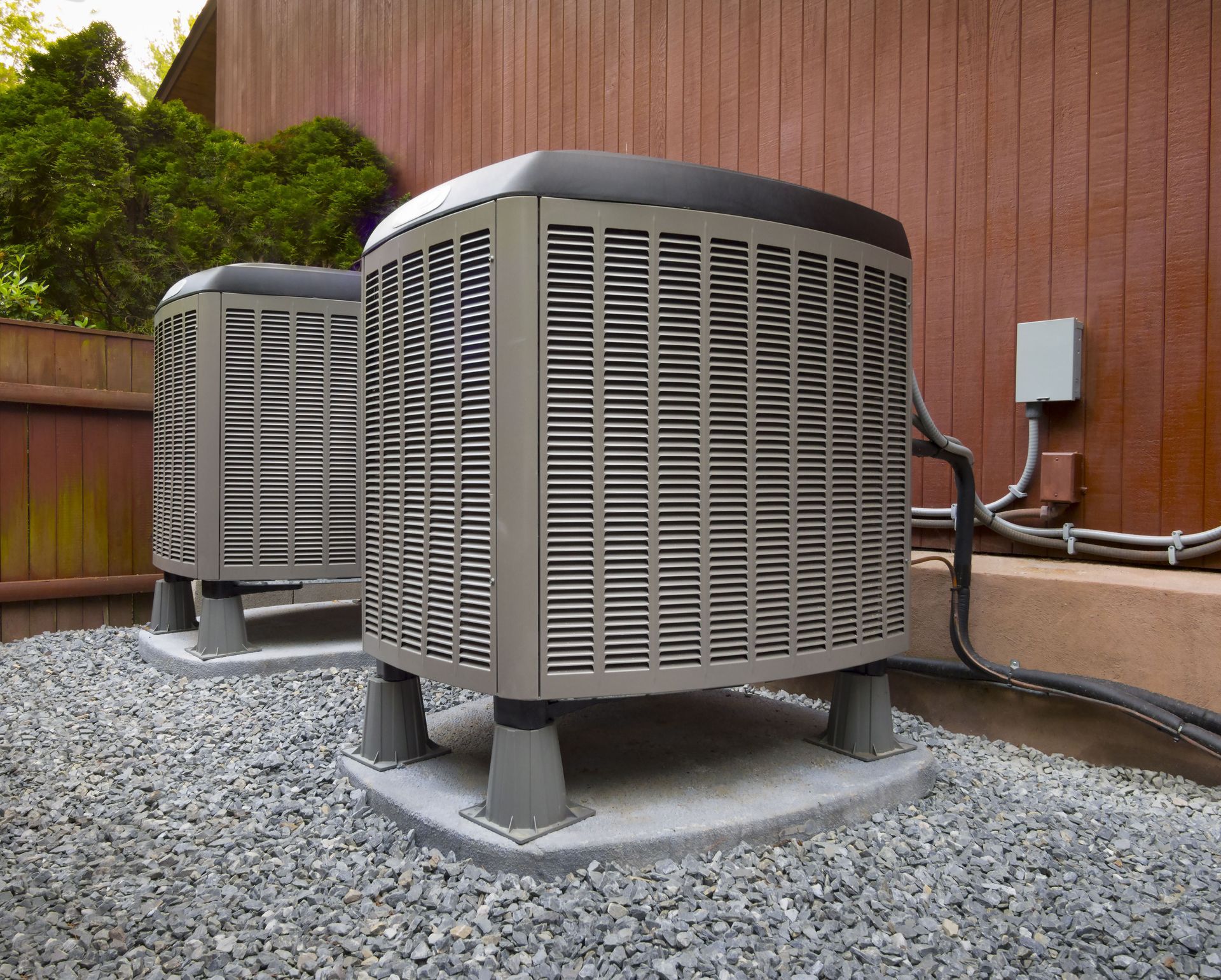
Homeowners naturally anticipate a seasonal rise in summer electric bills, but an abrupt, unexplained spike in energy expenses indicates that your cooling unit is working against severe mechanical resistance. When essential components become dirty or misaligned, the air conditioner must run significantly longer cycles to deliver the same thermal output. Dirty outdoor condenser coils cannot shed absorbed heat into ambient air, which forces the compressor to operate against extreme head pressures and draw higher electrical amperage. Leaking air ducts also allow cooled air to escape into attics and wall cavities, forcing equipment into non-stop operation. By scheduling timely local HVAC service, homeowners benefit from thorough coil cleaning, precise refrigerant checks, electrical testing, and duct inspections that optimize performance and significantly reduce monthly operating costs.
Restoring Restricted Household Airflow
Even if your cooling equipment produces cold air, weak velocity at the supply registers leaves rooms feeling stuffy, uneven, and uncomfortably humid. Proper airflow distribution is fundamental for maintaining consistent temperatures across every level of your home. When airflow drops, static pressure within the duct system climbs, straining the blower motor and increasing wear on internal components. Excessively dense air filters, closed or blocked room grilles, and collapsed flexible ducting are common culprits that starve the system of necessary airflow. In addition, thick dust accumulated on the curved blades of the blower wheel reduces the fan's moving efficiency. Professional local HVAC service diagnoses static pressure differentials, cleans fan assemblies, and adjusts duct dampers to ensure robust, balanced airflow across every living space.
Thawing Frozen Evaporator Coils
Finding a layer of thick frost or solid ice coating your indoor evaporator coil is a startling discovery during summer weather. Although ice seems like an indicator of intense cooling, it is actually a symptom of serious operational failure. Evaporator coils require a continuous flow of warm indoor air to absorb heat and keep chemical refrigerant above freezing temperatures. When airflow drops due to severe filter clogging or failing blower motors, the coil temperature drops below thirty-two degrees, causing ambient humidity to freeze on contact. Low refrigerant levels cause a similar drop in pressure and temperature, producing rapid icing from within the lines. Attempting to chip ice away manually can puncture delicate aluminum coils and release pressurized chemicals. Turning to experienced technicians ensures the coil is thawed safely and the underlying mechanical issue is properly resolved.
Maintaining a reliable air conditioning system requires vigilance, prompt troubleshooting, and professional support to keep small operational issues from escalating into major expenses. Addressing cooling problems early protects vital equipment, preserves indoor air quality, and ensures your home remains a refreshing sanctuary during extreme heatwaves. Whether you are dealing with inadequate cooling, frequent cycling, or sudden water leaks, do not let unexpected cooling breakdowns compromise your household comfort. Contact Fauquier Mechanical today to schedule your comprehensive air conditioning inspection and restore peak cooling performance to your home.

Share On: