
Is Your Furnace Operating at it's Peak Efficiency?
A furnace that runs efficiently is one of the most important systems in any home during colder months. When it is operating at peak performance, it maintains steady indoor comfort while helping keep energy costs under control. However, many homeowners are unsure whether their system is truly working as well as it should or quietly losing efficiency over time.
There are several factors that influence furnace performance, including maintenance habits, air quality, system age, and thermostat settings. A professional evaluation from a trusted heating company can often reveal small issues before they turn into costly repairs or full system failures.
Understanding how your system behaves on a day-to-day basis is the first step in improving efficiency. From airflow restrictions to aging components, even minor problems can reduce performance. With guidance from a knowledgeable heating company, homeowners can make informed decisions that extend system life and improve comfort.
How Often Should You Schedule Furnace Maintenance?
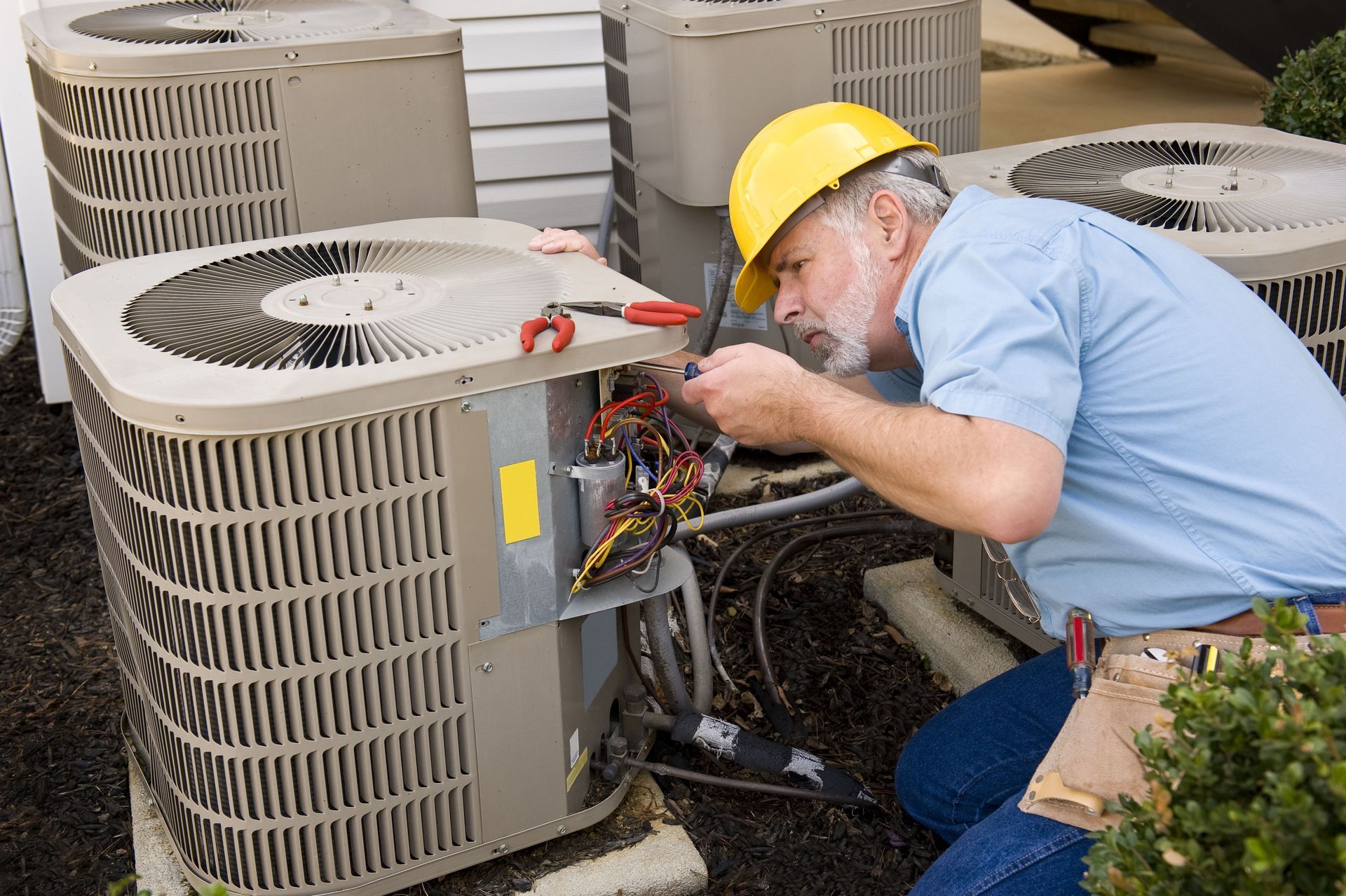
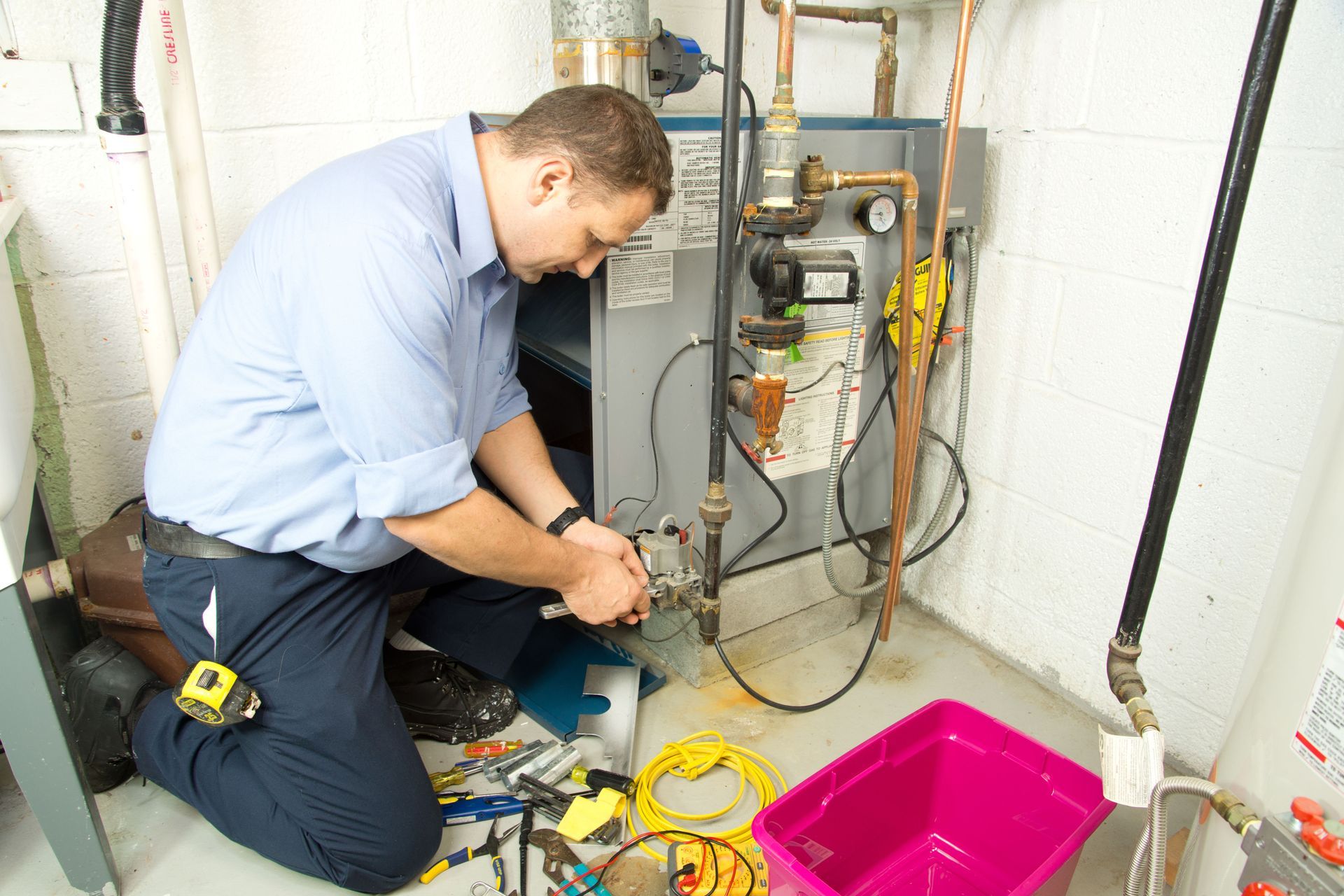
Routine maintenance is one of the most reliable ways to keep a furnace running efficiently. Most systems benefit from a professional inspection at least once a year, ideally before the heating season begins. During a tune-up, a heating company typically checks burners, inspects heat exchangers, tests safety controls, and evaluates airflow to ensure everything is functioning properly.
These inspections also help identify worn or dirty components that may be forcing the system to work harder than necessary. When a furnace is forced to overcompensate for small issues, energy consumption rises and overall efficiency drops. A reputable heating company will often recommend preventative adjustments that improve performance without requiring major repairs.
Another benefit of regular maintenance is improved system longevity. Furnaces that receive consistent care tend to last longer and experience fewer unexpected breakdowns. A heating company can also track changes in performance over time, helping homeowners decide when repairs are sufficient and when replacement may be more cost-effective.
Skipping maintenance might seem harmless in the short term, but it often leads to reduced efficiency and higher utility bills over time.
What Are the Signs of an Inefficient Furnace?
Recognizing early warning signs of inefficiency can help prevent more serious heating issues. One of the most common indicators is uneven heating throughout the home. If some rooms feel significantly colder than others, the system may not be distributing air properly. This can be caused by clogged ductwork, failing blower components, or even an aging system that is no longer able to maintain balanced airflow across all zones.
Another sign is unusually high energy bills during the heating season. When a furnace becomes less efficient, it must run longer cycles to maintain the same temperature, which increases energy usage. A heating company can often identify whether this is due to mechanical wear, airflow restrictions, or thermostat calibration issues. In many cases, small adjustments or targeted repairs can restore efficiency without requiring a full system replacement.
Strange noises, such as rattling, banging, or humming, can also signal underlying problems. These sounds may indicate loose components, blower issues, or airflow blockages that reduce system performance. Over time, ignoring these noises can lead to more extensive damage within the furnace. In such cases, a heating company can perform diagnostic testing to determine the root cause and prevent further deterioration of the system.
Frequent cycling—where the furnace turns on and off more often than usual—is another sign of inefficiency. This can be caused by overheating, dirty components, or improper system sizing. It may also point to restricted airflow or a malfunctioning thermostat, causing the system to misread indoor temperatures. A heating company can evaluate whether repairs or adjustments are needed to restore stable operation and improve overall efficiency.
Addressing these signs early can help maintain comfort and avoid more expensive repairs later on. Taking a proactive approach also reduces strain on the system, extends its lifespan, and ensures more consistent performance throughout the heating season.
What Role Do Filters Play in Furnace Efficiency?
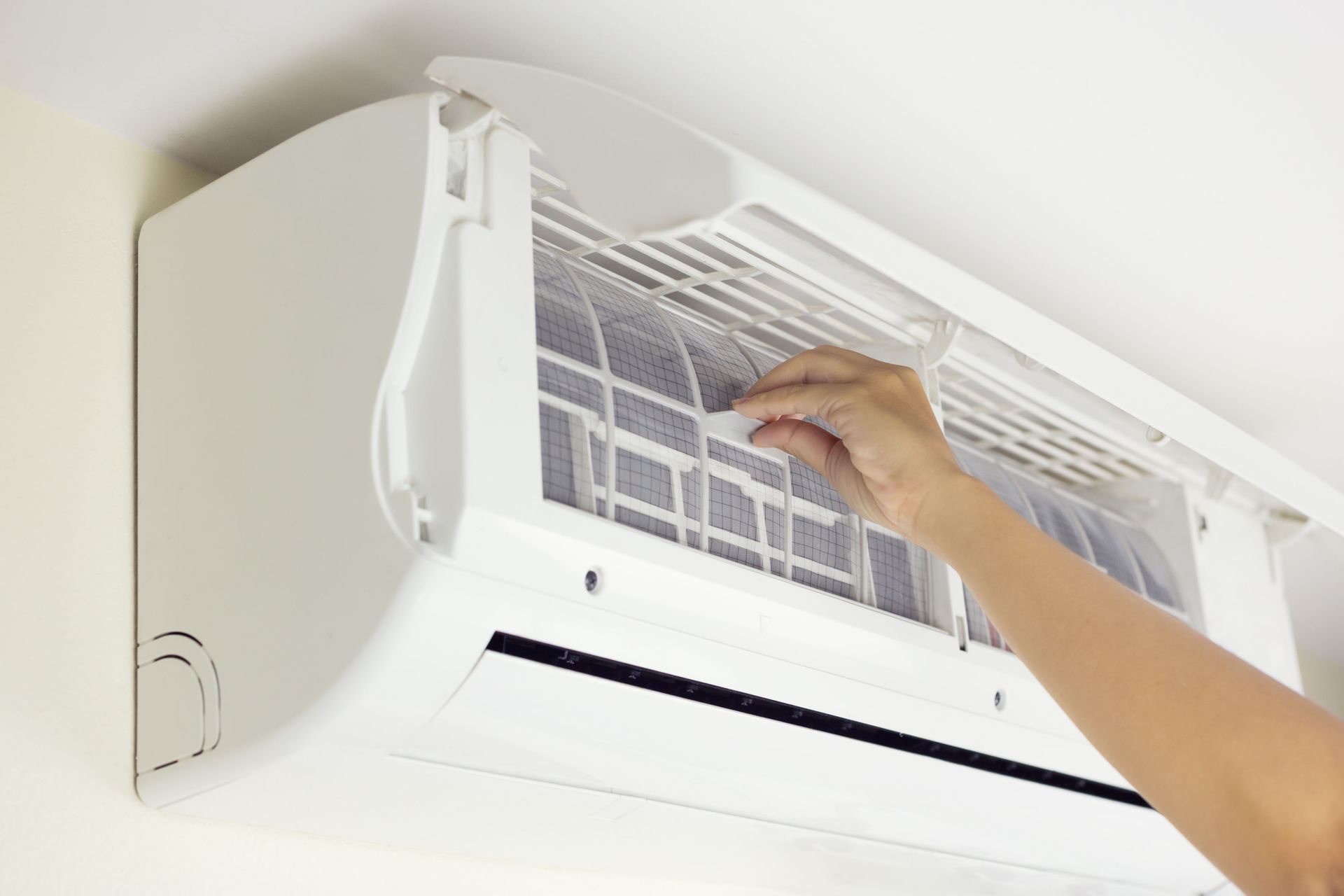
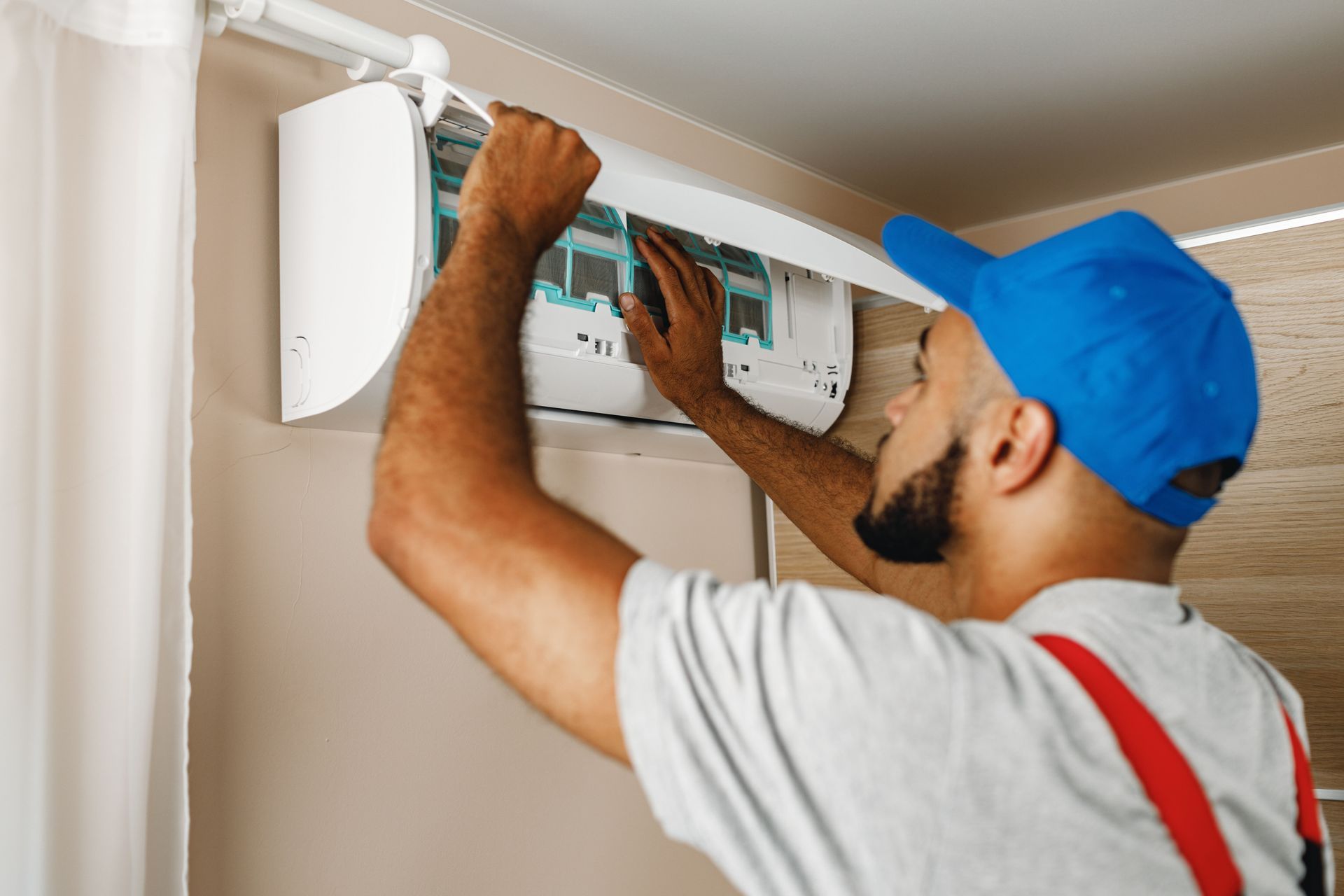
Air filters play a critical role in maintaining furnace efficiency and overall indoor air quality. When filters become clogged with dust and debris, airflow is restricted, forcing the system to work harder than necessary. This added strain reduces efficiency and can lead to overheating or premature wear on internal components.
Regular filter replacement is one of the simplest yet most effective maintenance tasks homeowners can perform. According to CNET, furnace air filters should be changed regularly, at least every three months, to ensure optimal airflow and system performance. In homes with pets or higher dust levels, replacement may be needed even more frequently.
A heating company can help homeowners choose the right type of filter based on system requirements and household conditions. Not all filters are created equal, and using the wrong type can reduce airflow or fail to capture airborne particles effectively.
Beyond efficiency, clean filters also improve indoor air quality by reducing allergens and dust circulation. This creates a healthier living environment while supporting better furnace performance overall.
A professional heating company can also incorporate filter checks into routine maintenance visits, ensuring that homeowners stay on track with replacements and avoid unnecessary system strain.
Is It Time to Consider a Furnace Upgrade?
Even with proper maintenance, every furnace eventually reaches the end of its efficient lifespan. Most systems last between 15 and 20 years, but performance can decline long before complete failure occurs. Recognizing when to upgrade is key to maintaining energy efficiency and home comfort.
One of the main indicators that replacement may be necessary is rising energy costs despite regular maintenance. As components wear down, the system must work harder to produce the same level of heat. A heating company can evaluate whether repairs will provide meaningful improvement or if a replacement is the better long-term investment.
Frequent repairs are another sign that an upgrade may be due. If service calls become common, the cumulative cost of repairs may outweigh the price of a new system. A heating company can provide a cost-benefit analysis to help homeowners make informed decisions.
Newer furnace models are significantly more energy-efficient than older units, offering improved performance and lower operating costs. A heating company can recommend modern systems that match the size and needs of the home, ensuring optimal efficiency and comfort.
Upgrading at the right time helps avoid sudden breakdowns and ensures consistent heating performance during the coldest months.
Can a Smart Thermostat Improve Your Furnace’s Efficiency?
Smart thermostats have become a valuable tool for improving furnace efficiency and reducing energy waste. By learning household patterns and adjusting temperatures automatically, these devices help ensure that heating is only used when needed.
For example, a smart thermostat can lower temperatures when the home is empty and restore comfort levels before occupants return. This reduces unnecessary furnace runtime and helps maintain efficiency throughout the day. A heating company often recommends smart thermostat integration as part of a broader efficiency improvement strategy.
These devices also provide detailed energy usage reports, allowing homeowners to better understand their heating habits. Over time, this insight can lead to more efficient temperature settings and reduced energy consumption.
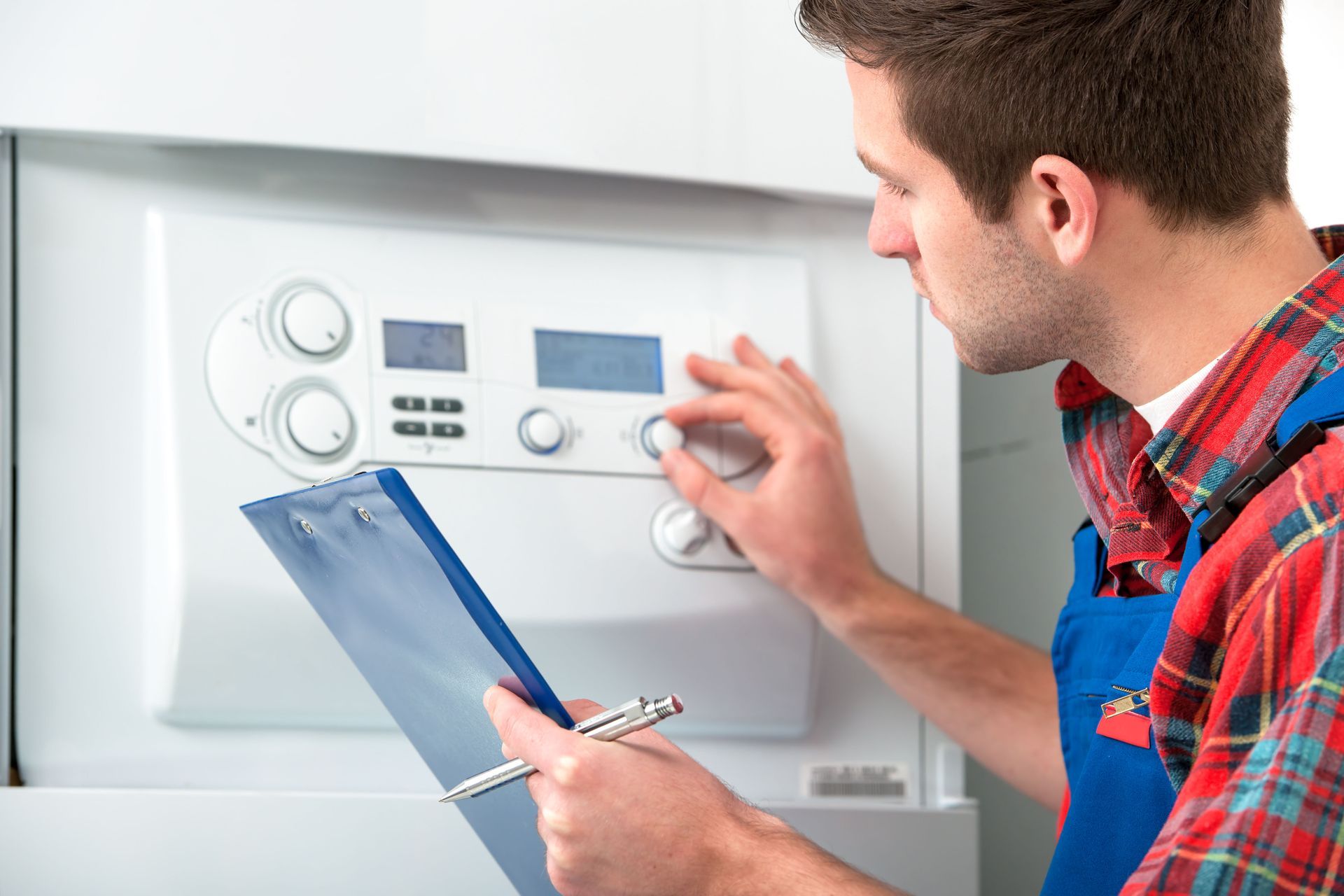
A heating company can ensure that the thermostat is properly installed and calibrated to match the furnace system. Incorrect setup can limit performance benefits, so professional installation is often recommended.
When combined with regular maintenance and clean filters, a smart thermostat can significantly enhance overall system efficiency without requiring major equipment changes.
Maintaining peak furnace efficiency requires a combination of regular upkeep, awareness of warning signs, and smart system upgrades when necessary. From filter changes to advanced thermostat controls, each step contributes to better performance and lower energy costs. With guidance from a qualified
heating company, homeowners can ensure their heating systems remain reliable, efficient, and ready for the demands of every winter season. If you want to keep your furnace running efficiently, reach out to the team at Fauquier Mechanical today!
Share On: