
The Impact of High Humidity on Your AC’s Performance
When summer temperatures rise, most homeowners rely on their cooling systems to maintain a comfortable indoor environment. However, temperature is only part of the equation. Humidity plays a major role in how comfortable a home feels and how efficiently an air conditioning system can operate. Excess moisture in the air can force cooling equipment to work harder, reduce energy efficiency, and create conditions that affect indoor air quality.
Many homeowners assume their cooling system is malfunctioning when their house feels sticky or uncomfortable, even when the thermostat shows the desired temperature. In reality, high humidity often places extra strain on the system and makes it more difficult to achieve ideal comfort levels. Understanding the relationship between moisture and cooling performance can help homeowners make informed decisions about maintenance, upgrades, and energy use.
Moisture and Indoor Comfort
Humidity refers to the amount of water vapor present in the air. When humidity levels rise, the body's natural cooling process becomes less effective because sweat evaporates more slowly. As a result, people often feel warmer than the actual air temperature would suggest.
A properly functioning cooling system does more than lower temperatures. It also removes moisture from indoor air as part of the cooling process. When humidity levels remain elevated, occupants may experience discomfort despite having a seemingly adequate temperature setting. This is one reason why air conditioning systems are designed to balance both temperature control and humidity reduction.
High indoor humidity can also contribute to other comfort-related concerns. Windows may develop condensation, rooms may feel damp, and musty odors can become more noticeable. These conditions can make a home feel less inviting and indicate that excess moisture is not being effectively managed.
In regions where humid weather is common, homeowners may notice that their cooling systems run for longer periods. While this extended operation helps remove moisture, it can also increase energy consumption and place additional wear on equipment. Maintaining proper humidity levels is essential for maximizing both comfort and system performance.
Performance and Energy Efficiency
One of the most significant effects of high humidity is the increased workload placed on air conditioning equipment. When moisture levels are elevated, the system must remove heat and water vapor simultaneously. This dual responsibility requires additional energy and can make the cooling process less efficient.
Because humid air feels warmer, homeowners often lower their thermostats in an attempt to improve comfort. Unfortunately, this strategy frequently leads to higher utility bills without fully addressing the underlying issue. Instead of simply cooling the air further, the system must continue working to reduce moisture levels throughout the home.
Proper system sizing also plays a critical role in managing humidity. According to the Environmental Protection Agency, a typical air conditioner requires about 20 BTUs of cooling capacity for every square foot of living space. Equipment that is too large may cool a home quickly but fail to run long enough to remove sufficient moisture. Conversely, undersized systems may struggle to keep up with both cooling and dehumidification demands.
Dirty filters, clogged coils, and restricted airflow can further reduce efficiency. When these issues combine with high humidity, the system may experience longer run times and increased energy usage. Routine maintenance helps ensure air conditioning equipment can perform as intended during periods of elevated moisture.
Equipment and System Strain
Cooling systems are engineered to operate within specific conditions. Extended exposure to high humidity can increase strain on multiple components and potentially shorten equipment lifespan. This additional workload often becomes more noticeable during prolonged periods of hot, damp weather.
The evaporator coil is one of the primary components responsible for moisture removal. As warm indoor air passes over the coil, water vapor condenses and drains away. When humidity levels remain consistently high, the coil must process larger volumes of moisture, increasing overall system demands.
Longer operating cycles can also place stress on motors, compressors, and electrical components. Although these parts are designed for regular use, continuous operation may contribute to accelerated wear over time. Preventive maintenance helps identify potential issues before they develop into costly repairs.
Another concern involves condensate drainage systems. High moisture production can overwhelm clogged or poorly maintained drain lines. When drainage problems occur, water may back up into the system, potentially causing property damage or operational issues.
In some cases, excessive humidity can even mask developing equipment problems. Homeowners may assume outdoor weather conditions are solely responsible for discomfort when the real issue involves declining system performance. Professional inspections can help determine whether air conditioning equipment is effectively removing moisture and maintaining optimal operation.
Modern systems often include features specifically designed to improve humidity control. Variable-speed blowers, smart thermostats, and enhanced dehumidification settings can help maintain more consistent indoor conditions. These technologies can reduce strain on equipment while improving comfort throughout the home.
Maintenance and Humidity Control
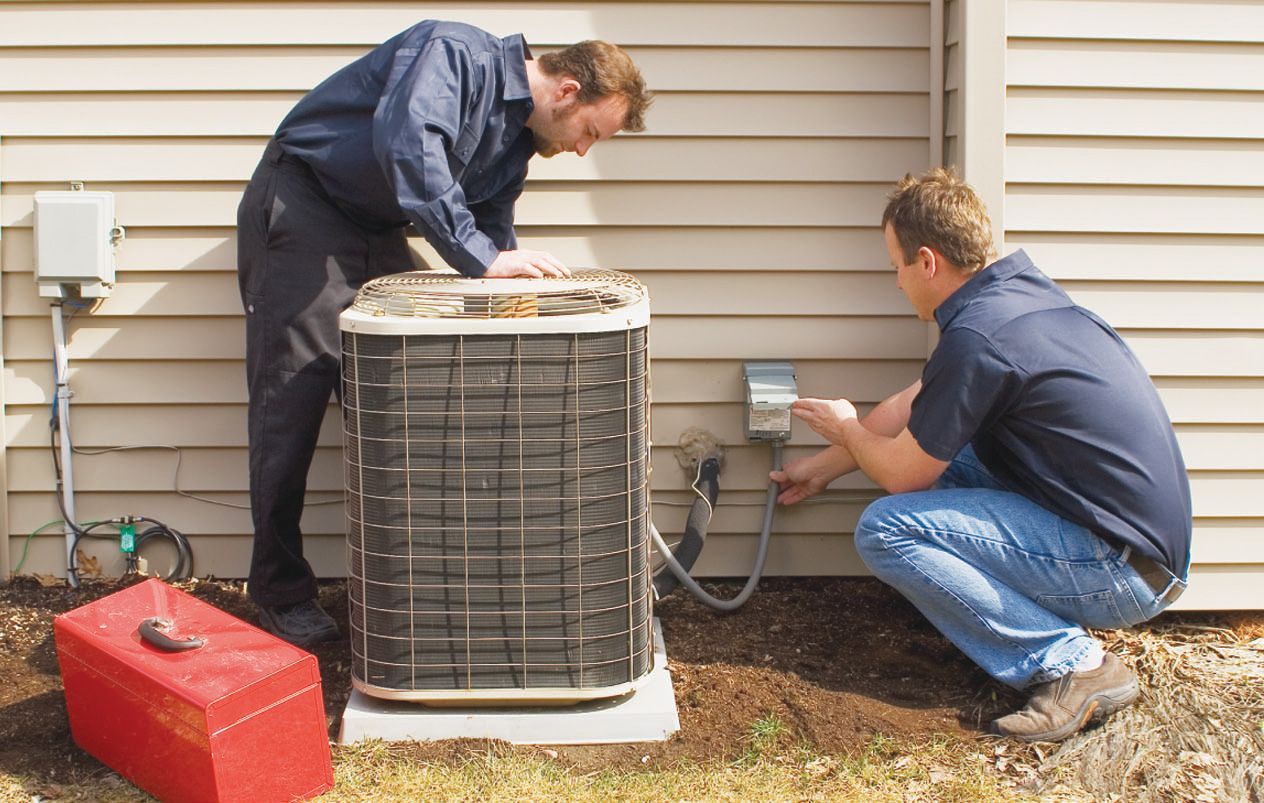
Regular maintenance is one of the most effective ways to combat humidity-related performance issues. Preventive service ensures cooling equipment can efficiently remove heat and moisture while reducing the risk of unexpected breakdowns during peak summer months.
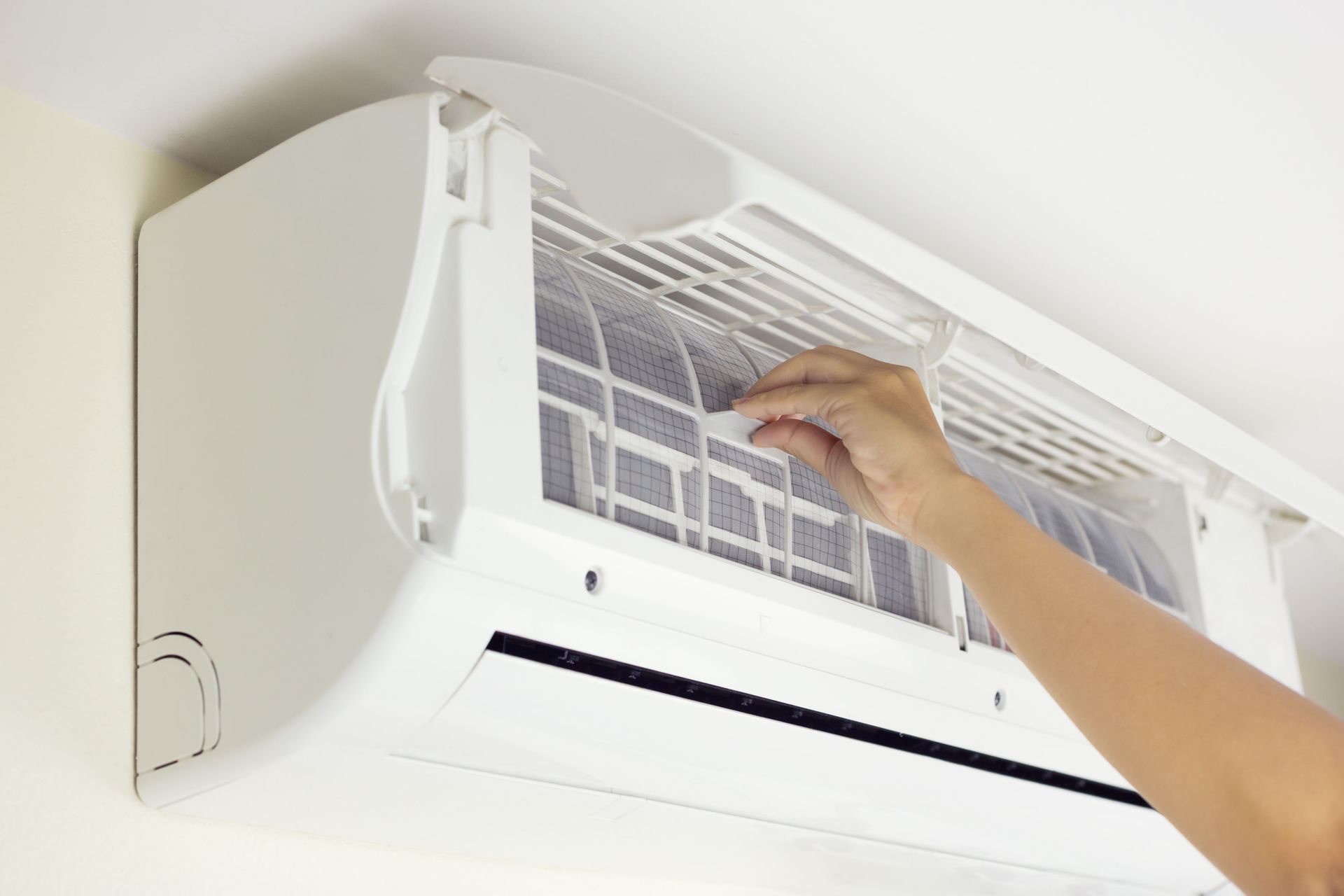
Air filters should be checked and replaced according to manufacturer recommendations. Dirty filters restrict airflow, making it more difficult for the system to distribute conditioned air throughout the home. Reduced airflow can negatively affect both cooling performance and moisture removal capabilities.
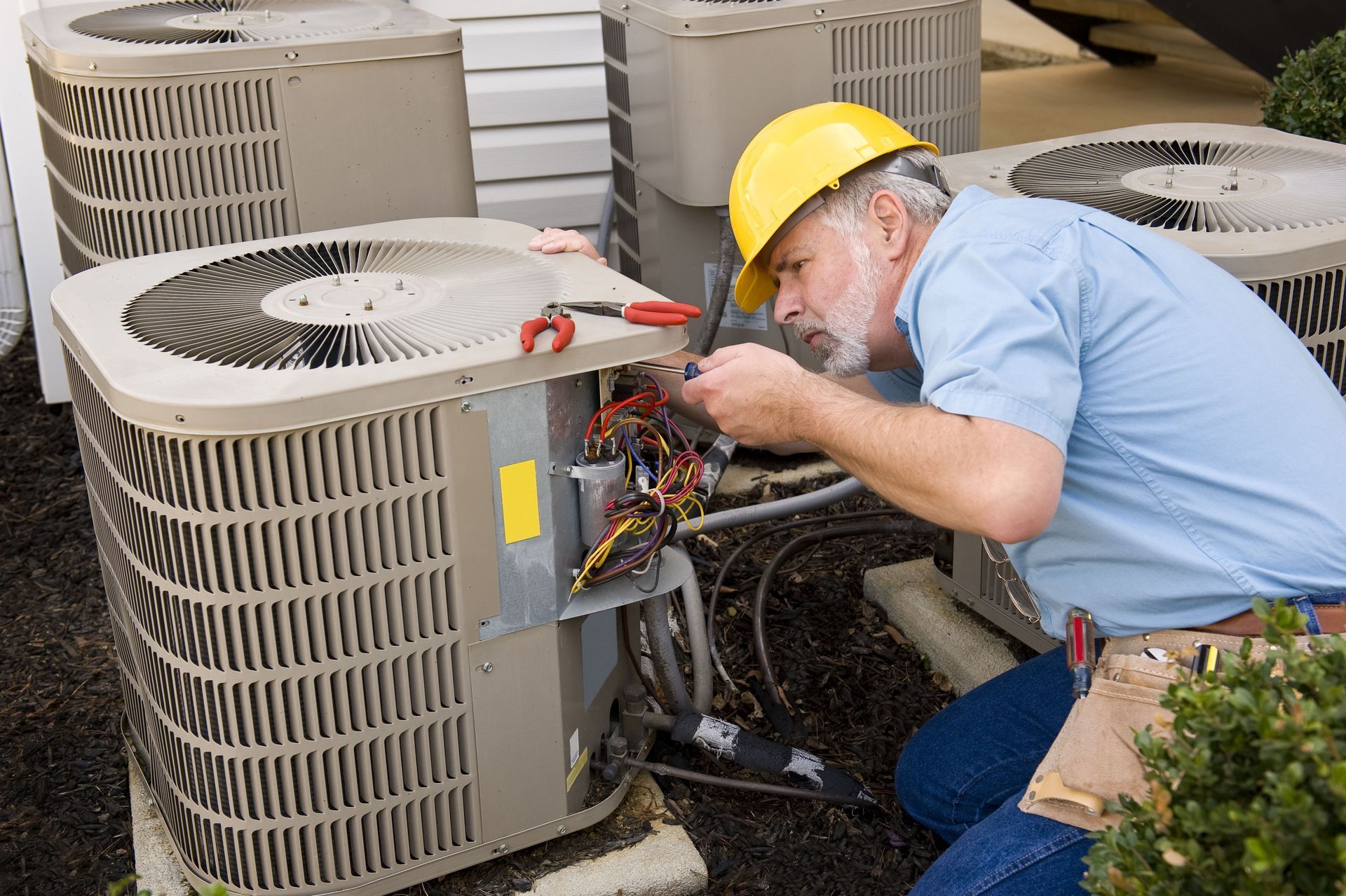
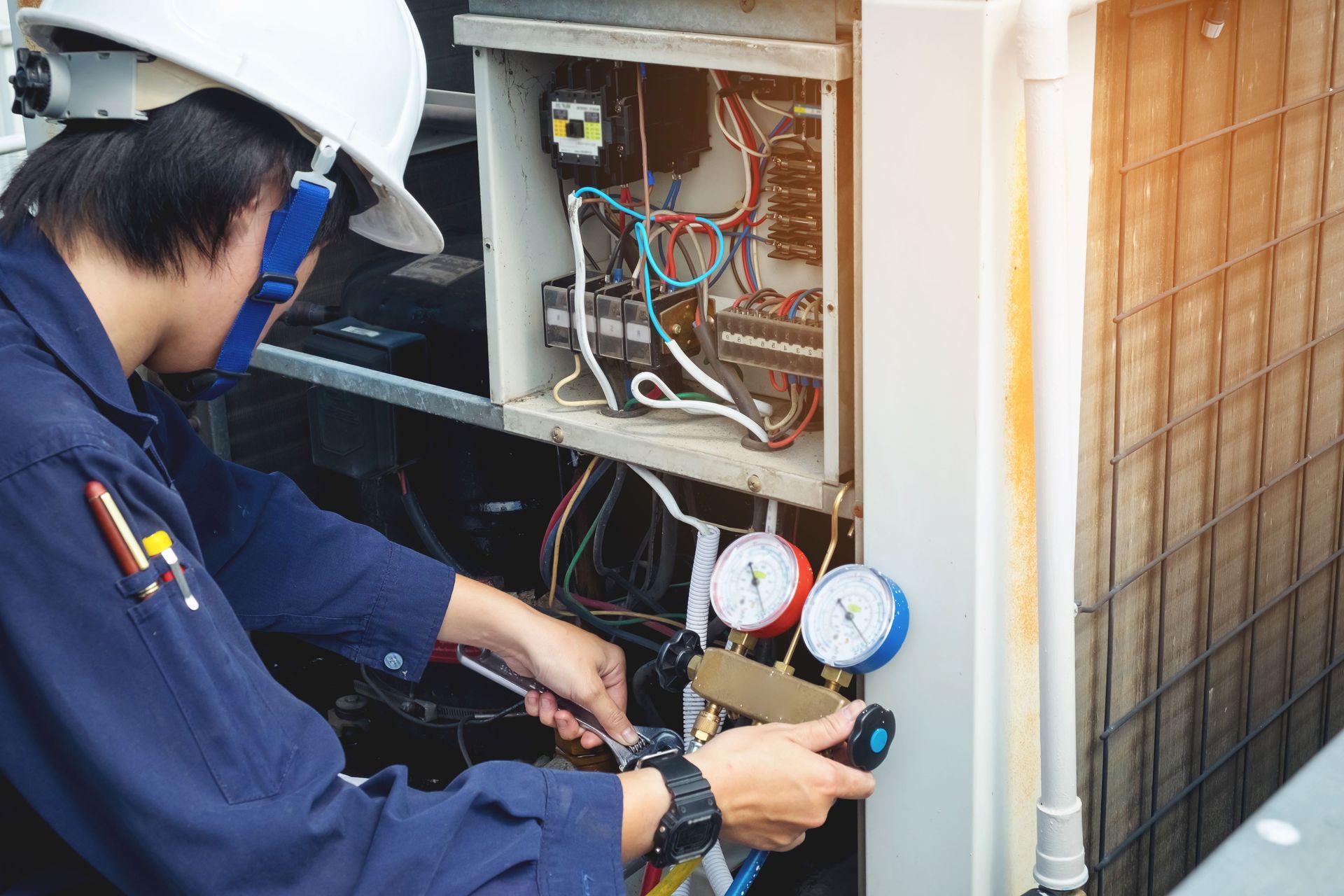
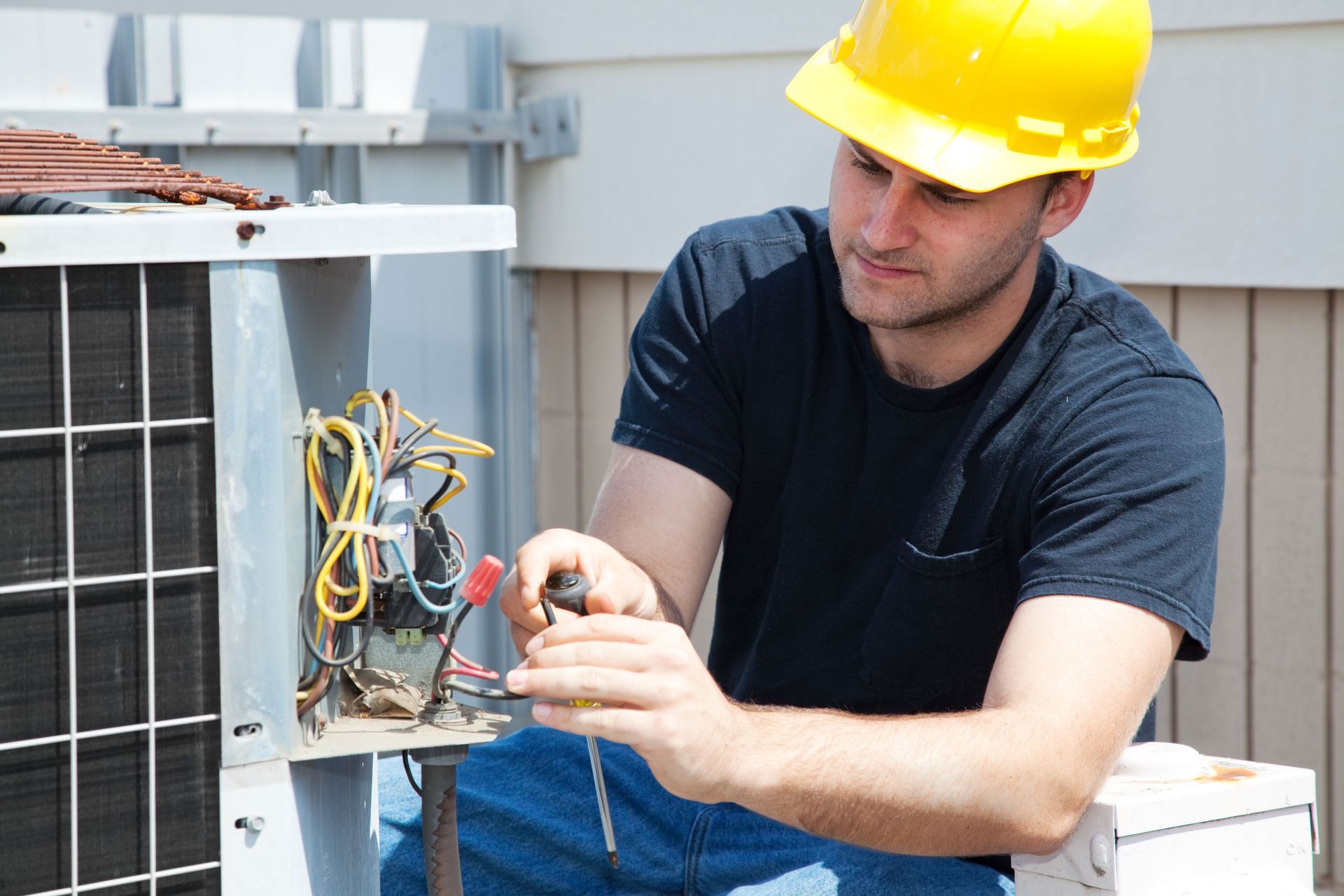
Professional inspections provide an opportunity to evaluate critical components such as evaporator coils, condensate drains, refrigerant levels, and electrical connections. Addressing minor concerns early often prevents larger problems from developing later. Well-maintained air conditioning systems typically perform more efficiently and deliver better humidity control.
Homeowners can also take steps to reduce indoor moisture sources. Using bathroom exhaust fans, kitchen ventilation systems, and properly vented clothes dryers can help limit humidity buildup. Sealing air leaks around windows and doors may further reduce the amount of moist outdoor air entering the home.
Whole-home dehumidifiers offer another solution for properties that experience persistent humidity challenges. These systems work alongside existing cooling equipment to remove excess moisture more effectively. In especially humid climates, supplemental dehumidification can significantly improve comfort and reduce strain on primary cooling systems.
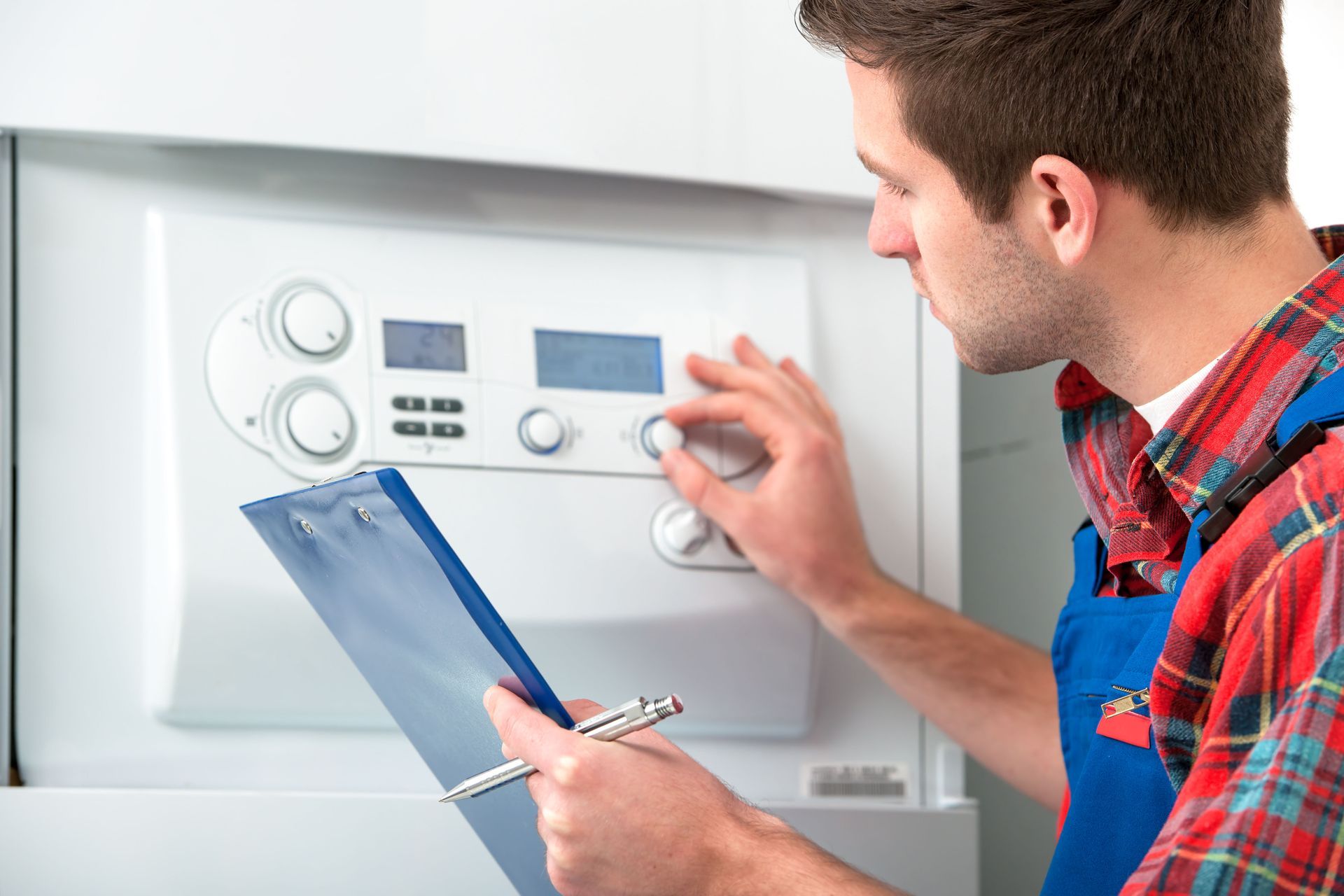
Smart thermostats and indoor air quality monitors can provide valuable insights into humidity levels. By tracking indoor conditions, homeowners can identify trends and make adjustments before comfort problems become severe. Monitoring tools help support more efficient air conditioning operation and better overall environmental control.
Proper insulation and attic ventilation also contribute to humidity management. Homes with inadequate insulation may experience increased heat transfer, forcing cooling equipment to work harder. Effective ventilation helps reduce moisture accumulation and supports overall system performance.
High humidity affects far more than indoor comfort. It can increase energy consumption, place additional strain on equipment, reduce efficiency, and create conditions that make homes feel warmer than they actually are. By understanding how moisture impacts cooling performance, homeowners can take proactive steps to protect their systems and maintain a healthier indoor environment.
Regular maintenance, proper equipment sizing, and effective moisture control strategies all contribute to better performance and long-term reliability. Investing in professional service and addressing humidity concerns early can help prevent costly repairs while improving comfort throughout the year. A well-maintained
air conditioning system is better equipped to handle the challenges that humid weather presents.
At Fauquier Mechanical, we help homeowners keep their cooling systems operating efficiently even during the most humid conditions. We can evaluate your system, identify humidity-related performance concerns, and recommend practical solutions that improve comfort and efficiency. Contact us today to learn how we can help you achieve a cooler, healthier, and more comfortable home.

Share On: